
Heat Shrink
150 C Heat Shrink Tubing
150 C heat shrink tubing for high-temperature wire protection, flame-retardant insulation and durable harness finishing in demanding OEM assemblies.
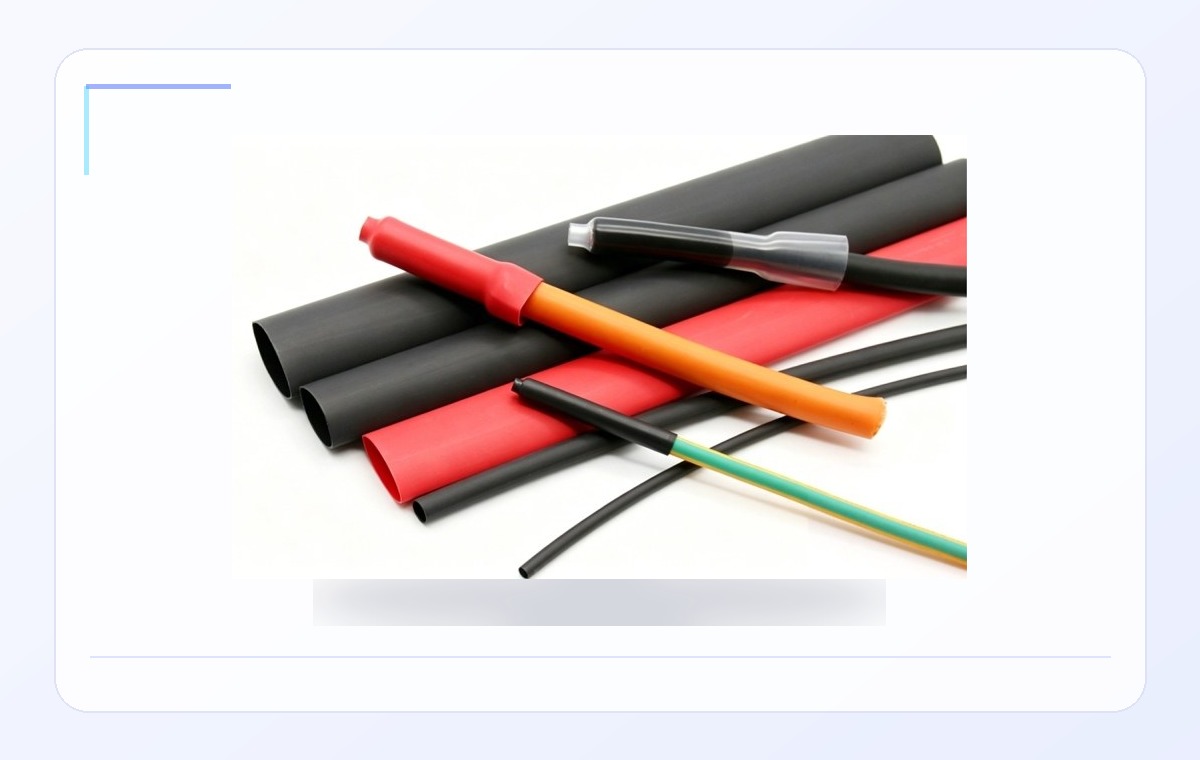 Heat Shrink
Typical Parameters
| Parameter | Typical value |
|---|---|
| Material | Radiation-crosslinked halogen-free polyolefin |
| Working temperature | -55 C to 150 C |
| Voltage / dielectric | 600 V class, 2500 V / 1 min withstand |
| Size range | Heat shrink sizes from 0.6/0.35 to 150/70 mm |
| Structure | Single-wall high-temperature heat shrink tubing |
OEM note: Detailed size table, validation data and custom packing can be confirmed by project.
Why this product
- Built for high-temperature heat shrink tubing projects that exceed general-purpose wire protection needs.
- Supports OEM teams comparing flame retardancy, heat aging and stable shrink performance.
- Useful for electronics, vehicle wiring, communications and compact high-heat cable assemblies.
Typical applications
- Vehicle, ship and aircraft harness protection
- Electronics, communications and industrial cable finishing
- High-temperature wiring and export OEM assembly projects