
Fiberglass
Silicone Fiberglass Sleeving
Silicone fiberglass sleeving for high-temperature electrical insulation, abrasion control and stable routing in motors, transformers, wire harnesses and power systems.
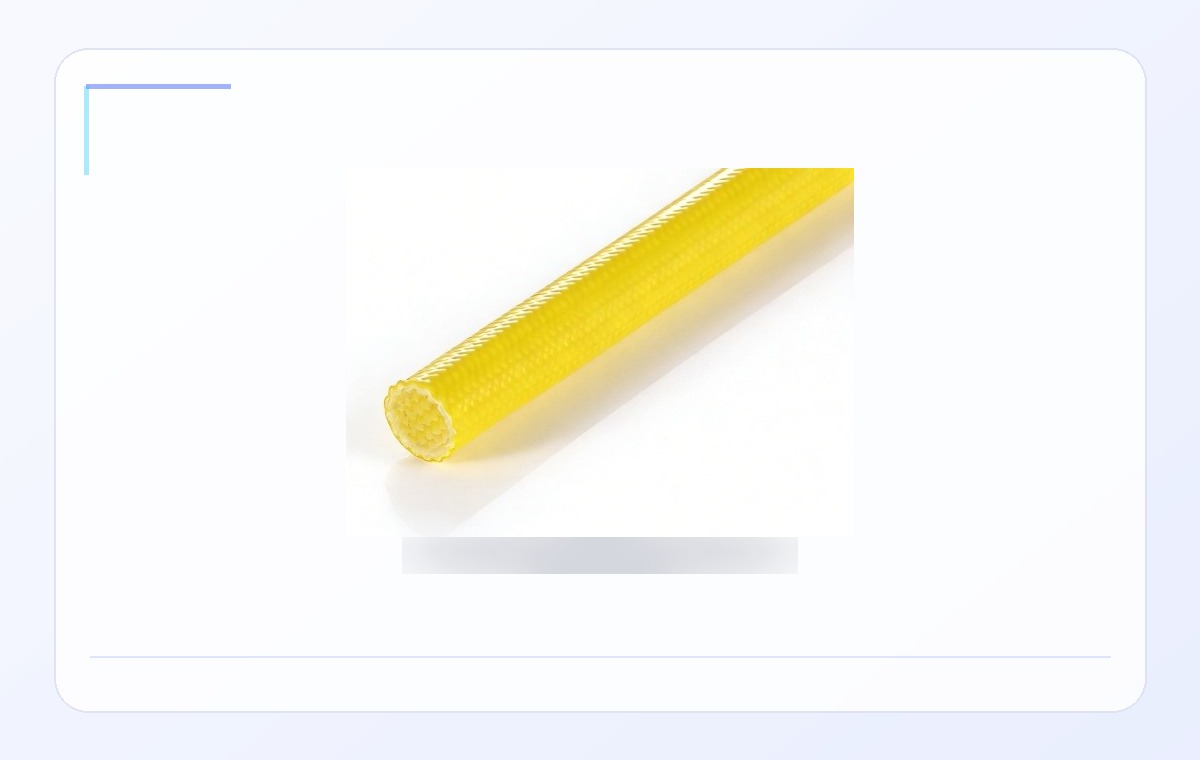 Fiberglass
Typical Parameters
| Parameter | Typical value |
|---|---|
| Material | Fiberglass braid with silicone composite coating |
| Working temperature | -60 C to 200 C |
| Voltage / dielectric | UL E233804 / E233803, 200 C 600 V; Grade A/B/C wall options |
| Size range | ID 0.5-35.0 mm |
| Structure | Silicone coated fiberglass sleeving |
OEM note: Detailed size table, validation data and custom packing can be confirmed by project.
Why this product
- Designed for silicone fiberglass sleeving projects that need durable high-temperature electrical insulation.
- Helps OEM teams balance dielectric performance, flexibility, wall grade and harness routing constraints.
- Suitable for engineering validation, sourcing comparison and export sample approval.
Typical applications
- Motor lead wires, transformer leads and coil insulation
- Automotive, EV and wire harness protection around hot zones
- Power distribution, inverter and industrial electrical insulation assemblies