Heat Shrink
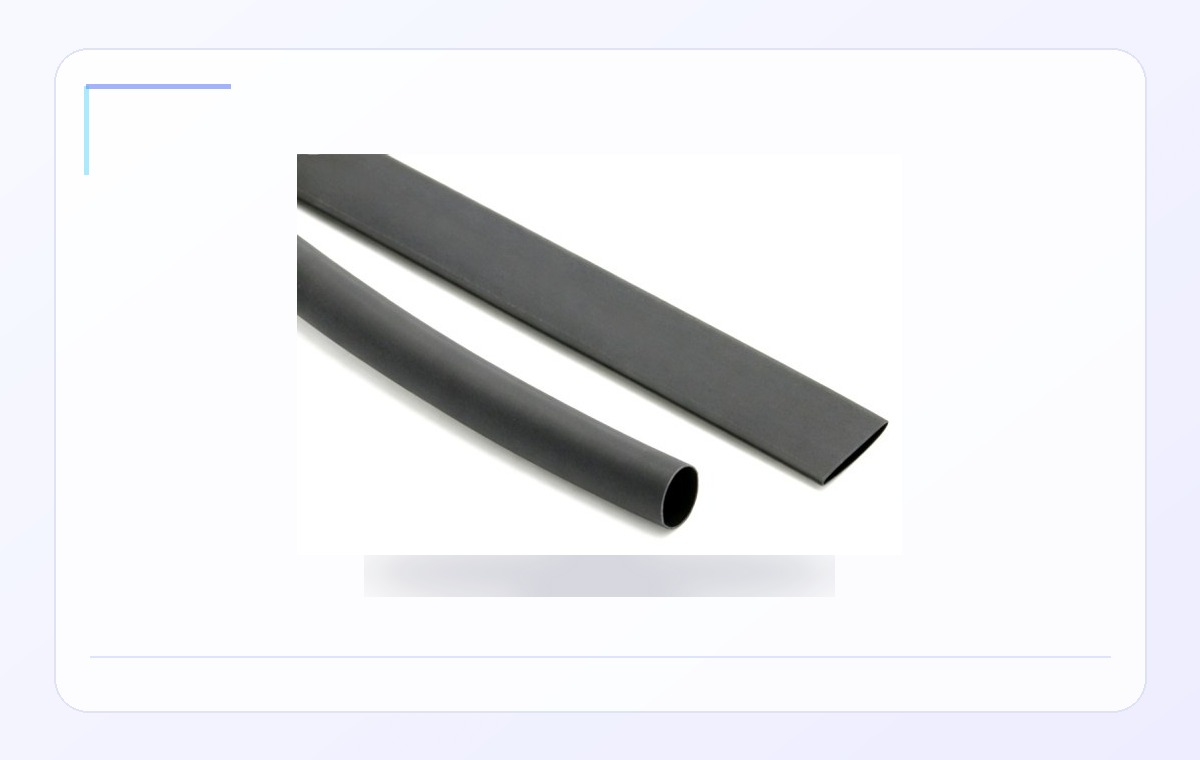
3:1 and 4:1 Eco-Friendly Dual-Wall Tubing
High-ratio adhesive lined tubing for waterproofing, corrosion protection, insulation and sealing of harnesses, marine cables and metal pipes.
 Heat Shrink
Typical Parameters
| Parameter | Typical value |
|---|---|
| Material | Flame-retardant polyolefin outer layer with hot-melt adhesive inner layer |
| Working temperature | -45 C to 125 C |
| Voltage / dielectric | Electrical insulation protection, dielectric strength >=15 kV/mm |
| Size range | 3:1 and 4:1 high shrink ratio series |
| Structure | Eco-friendly dual-wall adhesive-lined heat shrink tubing |
OEM note: Detailed size table, validation data and custom packing can be confirmed by project.
Why this product
- Supports OEM insulation, protection and routing requirements.
- Suitable for sourcing, engineering validation and sample review.
- Can be matched with your application temperature, voltage and routing needs.
Typical applications
- Automotive and EV electrical systems
- Motors, transformers and industrial equipment
- Wire harness, appliance and custom assembly projects