
Tubing
PTFE Tubing
PTFE tubing for chemical resistance, high-temperature routing, low-friction passage and dielectric stability in demanding electrical and fluid applications.
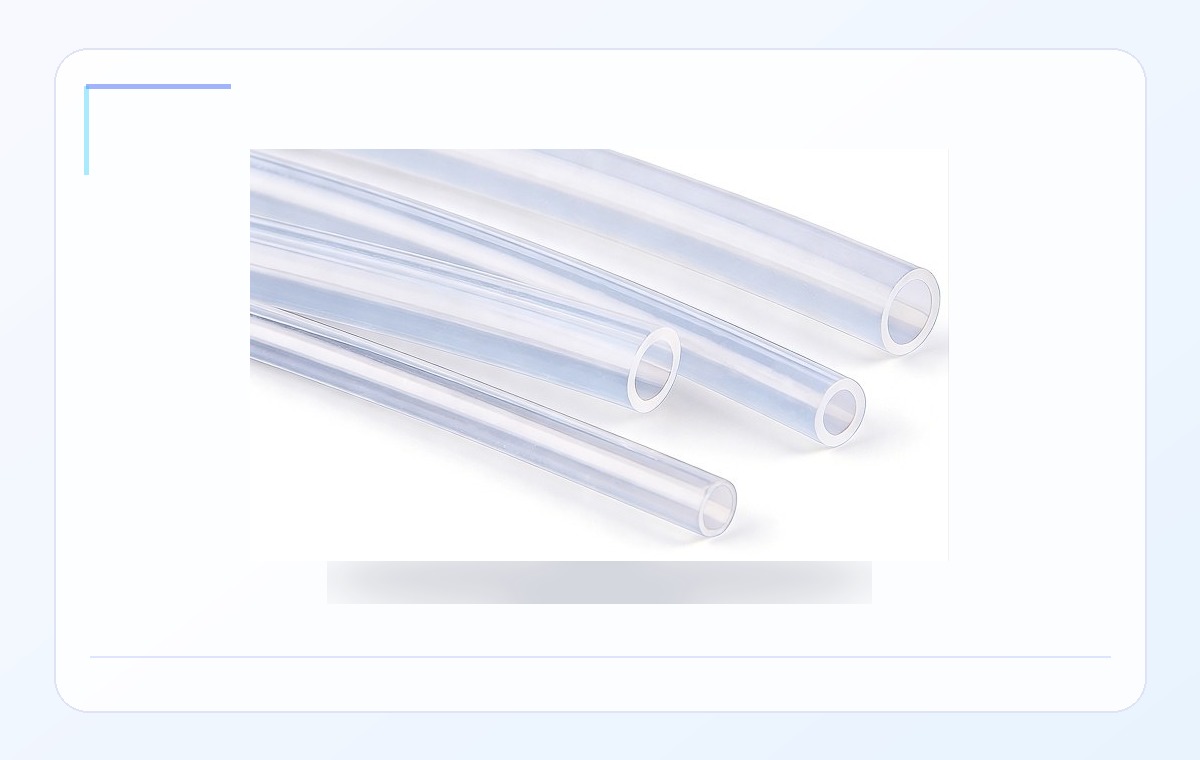 Tubing
Typical Parameters
| Parameter | Typical value |
|---|---|
| Material | Imported high-quality PTFE resin with eco-friendly color pigments |
| Working temperature | High-temperature resistant PTFE range |
| Voltage / dielectric | High voltage and pressure resistance |
| Size range | Model 30 to 0, ID 0.30-8.38 mm with S/T/L wall options |
| Structure | Extruded and sintered PTFE tubing |
OEM note: Detailed size table, validation data and custom packing can be confirmed by project.
Why this product
- PTFE tubing is a strong fit for projects that need chemical resistance, heat resistance and clean internal flow.
- Useful for OEM teams evaluating dielectric protection, pressure tolerance and compact routing in tight assemblies.
- Suitable for electrical insulation, sensor routing, appliance internals and specialty fluid-transfer validation.
Typical applications
- Coffee machines, oxygen generators, ventilators and medical-support equipment
- Transformers, high-voltage routing and industrial electrical assemblies
- Compact liquid transfer, sensor protection and specialty tubing projects